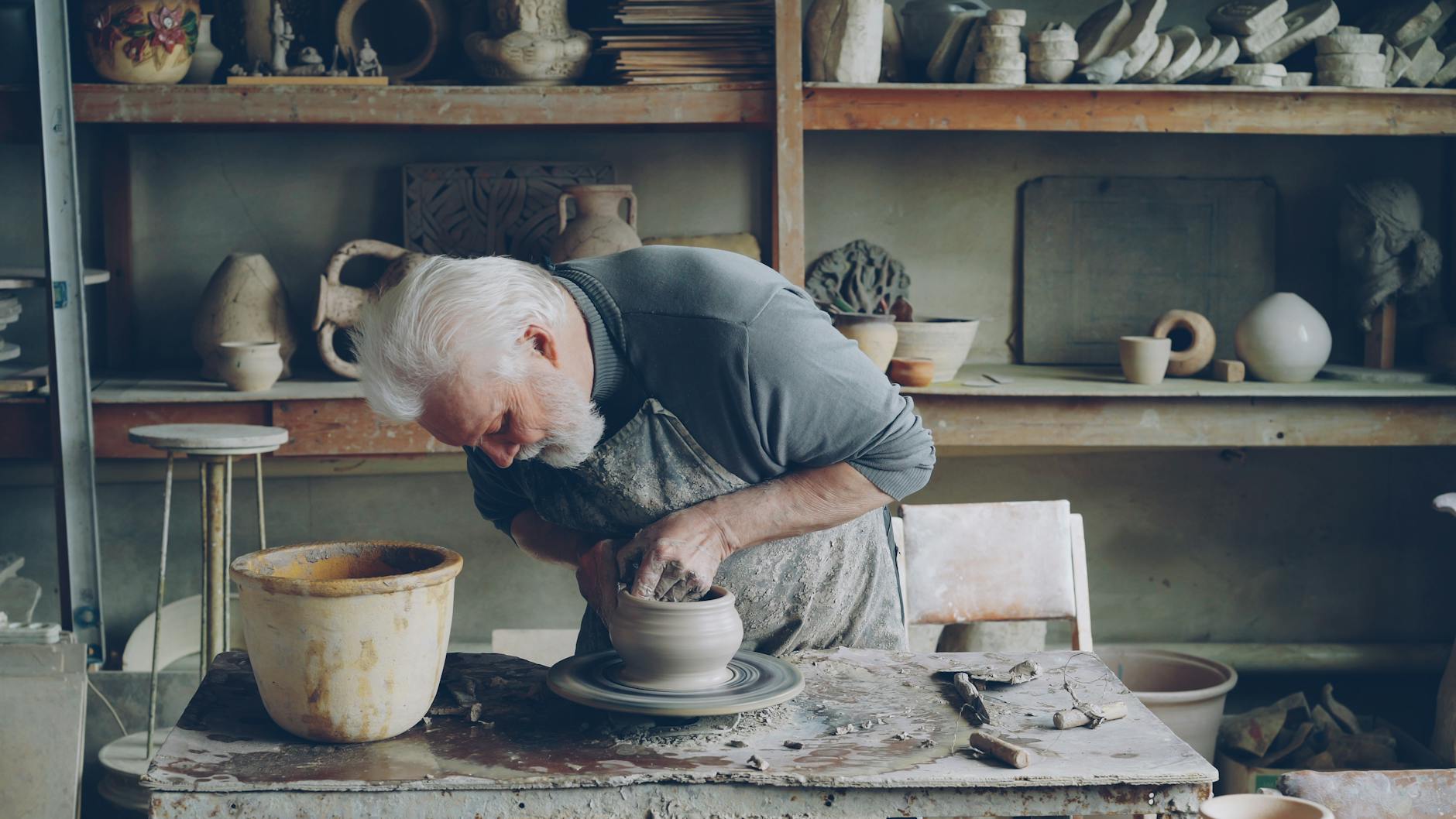
Pottery Tools for Beginners: The Essential Kit
So you’ve decided to give pottery a go. Maybe you’ve signed up for a local class in Edinburgh or Bristol, or perhaps you’re thinking about setting up a small workspace at home. Whatever your starting point, one of the first questions most beginners ask is: what tools do I actually need? The good news is that you don’t need to spend a fortune before you’ve even touched a lump of clay. The better news is that the UK has a genuinely brilliant network of suppliers, studios, and independent potters who can help you build your kit sensibly and affordably.
This guide walks you through everything a beginner needs – the must-haves, the nice-to-haves, and the things that can wait until you’ve got a few sessions under your belt. We’ll keep things practical and honest, because the last part of getting into pottery shouldn’t be drowning in a bewildering shopping list.
Before You Buy Anything: Take a Class First
Seriously – before you order a single tool online, go to a class. This isn’t a sales pitch for pottery studios; it’s just sensible advice. Most beginner courses across the UK, whether run through a local college, a community arts centre, or a private studio, will provide all the tools you need for the duration of the course. You’ll get hands-on time with different tools, and – crucially – you’ll start to understand which ones actually matter to you and your way of working.
Places like the Midlands Arts Centre in Birmingham, Turning Earth in London, and countless local adult education colleges across the country run affordable beginner sessions. Many are listed on the Craft Pottery Charitable Trust’s website and through local council leisure directories. Try a few sessions, see what clicks, and then start building your kit based on real experience rather than guesswork.
That said, if you’re raring to go and want to know what’s ahead of you, read on.
The Absolute Essentials: What Every Beginner Needs
These are the tools that will appear in virtually every beginner’s kit, regardless of whether you’re hand-building, working on a wheel, or doing a bit of both. None of them cost the earth, and most will last for years with a bit of care.
A Wire Clay Cutter
This is genuinely the first tool most potters reach for. A wire clay cutter – sometimes called a cutting wire – is used to slice through blocks of clay and to cut finished pieces off the wheel. It’s a length of wire or twisted wire with a wooden or plastic toggle at each end, and it costs next to nothing. You’ll use it constantly. Buy a couple, because they do snap eventually.
A Wooden Modelling Tool (or Two)
Wooden modelling tools come in a range of shapes – pointed, rounded, flat, looped – and they’re used for smoothing, scoring, shaping, and all manner of detailed work. A basic set of four or five wooden tools will cover almost everything you need as a beginner. Look for ones made from hardwood; they’ll last much longer than the cheaper softwood versions that tend to split after a few months of use.
A Sponge
This sounds almost laughably simple, but a good sponge is indispensable at the wheel. You use it to add water to your clay as you centre and throw, to smooth the inside of bowls and cylinders, and to clean up your work surface. Natural sea sponges are preferred by many potters for their absorbency and texture, but a decent synthetic sponge will do the job fine when you’re starting out. You’ll also want a sponge on a stick – exactly what it sounds like – for reaching into tall, narrow forms.
A Rib
Ribs are flat, curved tools used to smooth and shape the outside of thrown forms, remove excess water, and compress the clay. They come in rubber, metal, and wood. For beginners, a flexible rubber rib is the most forgiving – it moves with the clay rather than against it, which makes a real difference when you’re still getting to grips with throwing. A metal rib gives a crisper finish and is great for refining shapes once you’re more confident.
A Needle Tool
A needle tool is exactly what it sounds like: a sharp metal needle set into a handle. You’ll use it to score clay for joining pieces together, to trim uneven rims on thrown pots, to pierce drainage holes, and to add fine surface decoration. It’s small, inexpensive, and genuinely useful at every stage of making.
A Loop or Ribbon Tool
These are the tools with a loop of metal wire or a flat ribbon of metal set into a handle. They’re used for trimming and turning leather-hard clay – the stage between wet and bone dry – when you’re refining the base of a pot or carving away excess material. If you’re wheel throwing, you’ll reach for these constantly. They come in a wide range of shapes, and a basic set of two or three will cover most purposes.
A Wooden Bat or Work Board
If you’re working at home or in a studio, you’ll need something to place your work on so you can move it around without distorting it. Wooden bats can be attached to a wheel head during throwing, allowing you to lift the finished piece off without touching it directly. For hand-building, a simple wooden board or a piece of smooth MDF does the job. Some potters swear by canvas-covered boards for hand-building, as the slight texture prevents clay from sticking.
A Throwing Stick (Optional but Useful)
Not strictly essential from day one, but a throwing stick – a shaped wooden or metal tool used to support the inside of narrow-necked vessels – becomes important surprisingly quickly. If you want to make bottles or vases with small openings, your hand simply won’t fit inside. A throwing stick solves this neatly.
Tools for Hand-Building Specifically
If you’re more drawn to hand-building than wheel throwing – and many people are, particularly those who find the wheel frustrating at first – there are a few additional tools worth knowing about.
- Rolling guides or slats: These are strips of wood in various thicknesses (usually 5mm, 7mm, or 10mm) that you place on either side of your clay before rolling it out. They ensure you get an even slab of consistent thickness. Absolutely brilliant for making tiles, plates, and slab-built forms.
- A rolling pin: Any rolling pin will do – a wooden kitchen one works perfectly. Some potters use a PVC pipe, which has the advantage of not sticking to the clay.
- Serrated kidney: A rubber or metal kidney-shaped tool with a serrated edge, used for blending coils and smoothing joins in hand-built work.
- Texture tools and stamps: These are optional extras, but they’re great fun. Stamps, rollers, and texture mats can be pressed into clay to add surface decoration. You can buy them, or make your own from plaster or bisque-fired clay.
- A craft knife or potter’s knife: For cutting clean edges in slabs and trimming hand-built forms neatly.
Where to Buy Your Tools in the UK
You don’t have to look far. The UK has several excellent ceramics suppliers who cater specifically to potters at every level, and most offer online ordering with reasonable delivery times.
Scarva Pottery Supplies in Northern Ireland is one of the most comprehensive suppliers in the country, offering everything from basic tools to specialist equipment, clays, and glazes. Their online shop is well-organised and their prices are competitive. Potclays, based in Stoke-on-Trent – the spiritual home of British pottery – has been supplying potters for decades and is a reliable source for tools, clay, and kilns. Bath Potters’ Supplies is another excellent option, particularly well-regarded for their range of stoneware and earthenware clays.
For those who prefer to browse in person, many ceramics suppliers have showrooms or trade counters. It’s worth ringing ahead, as opening hours can vary. Craft fairs and pottery festivals – the Ceramic Art London fair is a highlight of the calendar – are also good places to pick up tools and chat with makers about what they actually use day to day.
Don’t overlook second-hand sources either. Facebook Marketplace, local potters’ forums, and even car boot sales occasionally throw up good-quality used tools at a fraction of the new price. Pottery tools don’t really wear out if they’ve been looked after, so buying second-hand is perfectly sensible.
Clay: Choosing Your First Bag
Tools are one thing, but you’ll also need clay – and the choice can be a bit bewildering at first. Here’s a simple breakdown for beginners:
- Earthenware: Fires at lower temperatures (around 1000-1150°C), is often red or terracotta in colour, and is a forgiving clay body for beginners. It’s the traditional clay of Mediterranean and British folk pottery, and it’s widely available and inexpensive.
- Stoneware: Fires at higher temperatures (1200-1300°C), is usually grey or buff in colour, and produces very durable, dense pots. Most UK studio potters work with stoneware. It’s slightly less plastic (meaning less stretchy and workable) than earthenware, but it’s a brilliant all-rounder.
- Porcelain: The most demanding clay body to work with, but produces beautiful, translucent results. Not recommended as a first clay – wait until you’ve developed a feel for clay behaviour before you tackle porcelain.
- Grogged or textured clays: Grog is ground, fired clay added to a clay body to give it extra strength and texture. Grogged clays are more forgiving in hand-building and are less likely to crack during drying and firing. Many beginners find grogged stoneware the easiest starting point.
Most UK suppliers sell clay in 12.5kg bags, which is a sensible amount to start with. Store it in a cool, dark place in its sealed bag, and it’ll keep for months.
A Note on Kilns and Firing
You don’t need to buy a kiln to get started – that’s worth saying clearly. Most beginners fire their work
through a local pottery class, community studio, or firing service. Many independent potters in the UK offer bisque and glaze firing for a small fee per shelf or per piece, which is far more economical than investing in your own kiln at the outset. Search for studios near you via the Craft Potters Association directory or simply ask in local ceramics Facebook groups — you’ll find most potters are generous with recommendations.
If you do eventually want your own kiln, a small electric kiln is the most practical choice for home use in the UK. Models from manufacturers such as Nabertherm or Skutt are popular, and second-hand kilns in good working order come up regularly on eBay and specialist ceramics forums. Before buying, check that your home’s electrical supply can handle the load — most studio kilns require a 13-amp or 30-amp dedicated circuit, and it’s worth having an electrician assess this before committing to a purchase. Factor in the ongoing cost of electricity, kiln furniture, and stilts when budgeting.
For absolute beginners, the simplest route is to join a local class first. You’ll have access to communal tools, reclaimed clay, and a tutor who can correct bad habits before they become ingrained. Once you’ve decided that pottery is genuinely for you, investing in your own basic kit makes much more sense — and the tools listed in this guide will see you through years of making.
Getting Started
You don’t need to spend a great deal to begin making pottery seriously. A modest outlay on good-quality hand tools, a few kilograms of grogged stoneware, and access to a local firing service is all that’s required. Buy tools gradually as your practice develops, look after them, and they’ll last a lifetime. The most important thing is simply to start making — no kit, however well chosen, will teach you as much as getting your hands into clay and working through the inevitable early mistakes.